Every week, Claude suggests new recipes for the family meal plan. I approve or amend them. Claude then draws up the shopping list, and once I have approved it, it puts the items in the basket at my preferred online supermarket.
The same pattern runs a large part of my everyday life. Claude scans my calendar and finds time to prepare teaching and talks. Messages from the children's schools and after-school activities end up in the family calendar. A dashboard shows which tasks in my business have been delivered and are ready for invoicing. Time tracking has also been handed over to Claude.
I have been hired for many jobs as someone who can create structure. I can devise systems, build advanced Excel spreadsheets and get colleagues on board with new ways of working. But I am simply not an orderly person. Structure has been part of my craft. It has never been my temperament.
The friction that drains
Could I do the work myself? Of course. It just drains me. Time tracking and keeping track of invoicing eat into the mental capacity I would much rather spend on development and thinking.
That is why AI has been a gift to me. What I would most like to avoid is implementing according to fixed patterns and following fixed rules. Those are exactly the kinds of tasks AI handles well, once someone has defined what a good process looks like.
That friction I can easily do without. It neither improves the result nor makes me any better at what I do.
Two kinds of friction at work
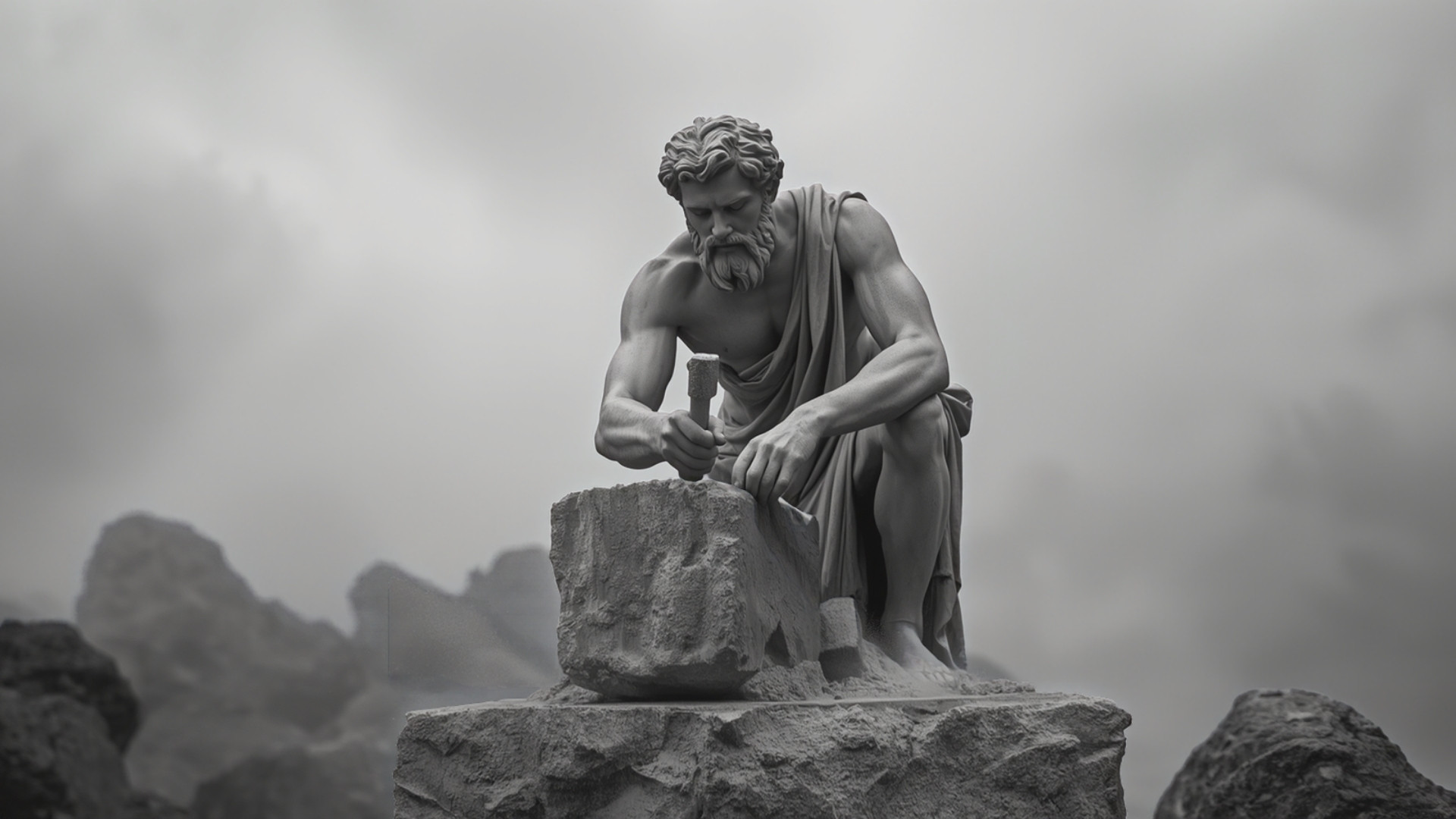
Other friction I would hate to lose. When I design a course programme, I need to draw on my knowledge of the organisation, my understanding of the audience and my experience of how previous participants have responded. Otherwise I cannot adapt the material to a new context. That friction is time well spent. It makes the work better, and it makes me better at it.
Time tracking does neither. It delays a good result and saps my energy.
As I see it, a good working life with AI is about distinguishing between these two forms of friction. The distinction is personal. What drains one employee can be useful friction for another.
Nor do I believe that people would rather be spared all resistance. The unnecessary kind we are happy to lose. The useful kind we seek out, because we grow from it. I have written about the motivation research behind that point in the article Is AI making us lazy?.
Process knowledge becomes a resource
So what about the people who actually love structure? I think they will become more important. Many tasks in Danish workplaces could benefit from more structure than they have today.
There will always be a need for employees who can analyse and see through work processes. That applies especially to those who know which processes benefit their particular task. Through experience and training, they know what a good result and a good process look like.
That knowledge is the input AI needs. AI can then design the set-up and help enforce it. For leadership in an age of AI, this means, in my assessment, that employees' process knowledge becomes a strategic resource.
The right friction is personal
My own rule is simple. Time tracking, invoicing and shopping lists go to Claude. Course design I keep.
Three questions to work with in your own organisation:
- Which tasks drain your employees without improving the result?
- Where is the friction that makes your professionals better at what they do – and how do you protect it?
- Who in your organisation knows best what a good process looks like, and is their knowledge used when AI is brought into play?
Perhaps we are in a historic situation in which technology, more than ever before, lets us choose the friction we grow from and opt out of the friction that holds us back.
Only the person doing the work knows which friction is the right one.