
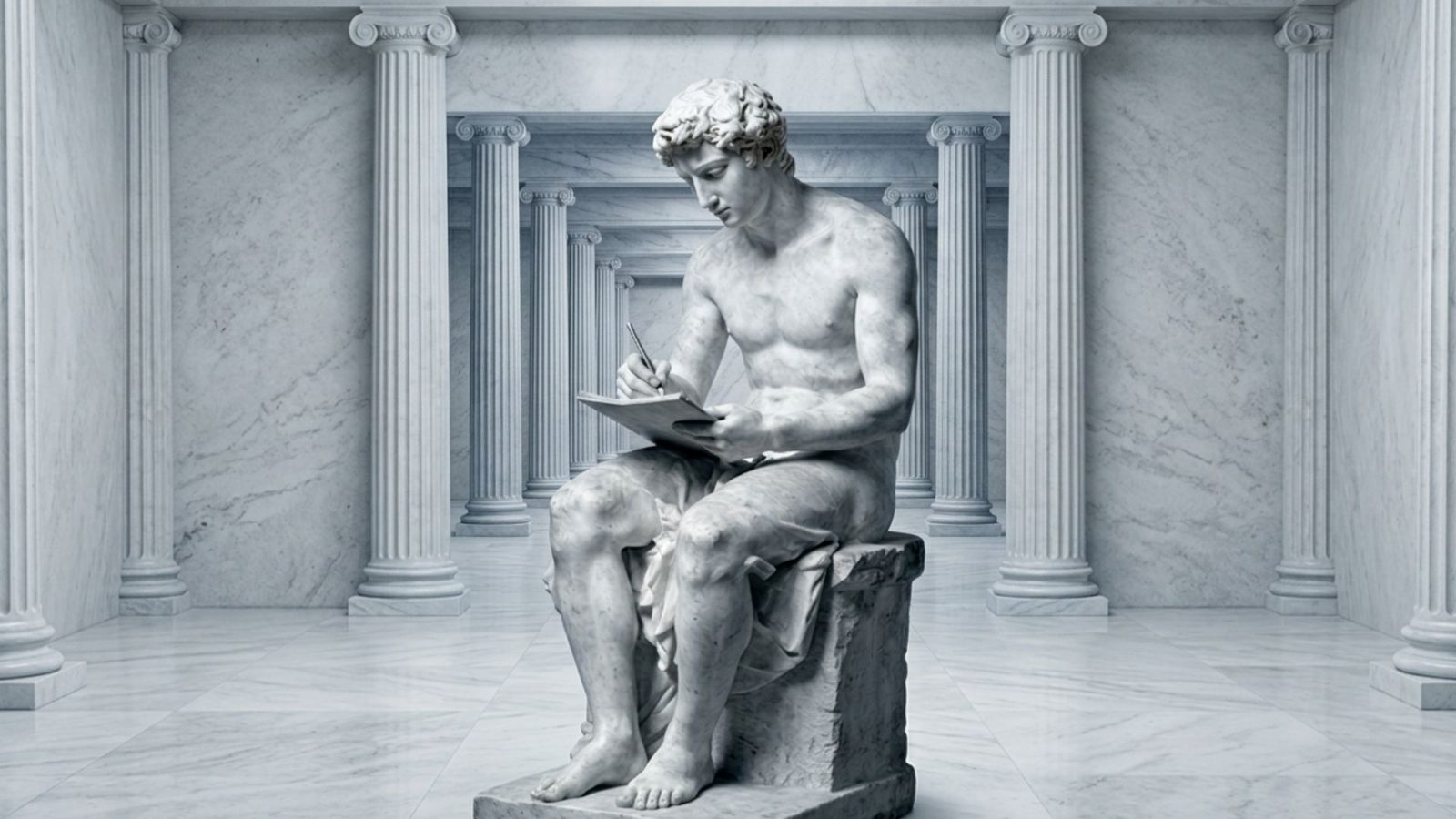
When John Milton composed Paradise Lost, he did not write it himself. He was blind, and the work took shape through dictation – line by line, spoken aloud to secretaries and family members who held the pen for him. The hand on the paper belonged to someone else. Yet no one has ever doubted whose work it was.
I keep returning to that image whenever the conversation turns to AI for writing. Milton demonstrates something we have long known but forget when we meet new technology: authorship has never resided in the hand that writes. It resides in the mind that chooses. Milton heard every line, rejected, rephrased and approved. The pen was delegated. The judgement was not.
The question many ask these days is: how much of the writing can we hand over to the machine? I would suggest a different question: what is it in the work of writing that has never been possible to delegate – not even when the pen sat in someone else's hand?
The new economics of the first draft
Something fundamental has shifted in the economics of text. For centuries, text was expensive to produce and cheap to read. Now it is the other way round: text has become free to produce, and attention has become the scarce resource. A language model can deliver ten drafts before a human has found their first sentence.
That shift is real, and I see no reason to mourn it. But it moves the value in the work. When everyone can produce fluent text, fluent text is no longer an achievement. The value migrates to where the machine cannot follow: to the choice of what should be said, to the judgement of what is true and what matters, and to the voice that makes a sender recognisable among a thousand polished drafts.
The voice is not in the keyboard
I regard artificial intelligence as technology – a tool in the same family as the calculator and the paintbrush, not an actor with intentions. But it is a tool of a particular kind: an amplifier. A language model amplifies what is already in the sender. Clarity becomes clearer. Confusion becomes more confused.
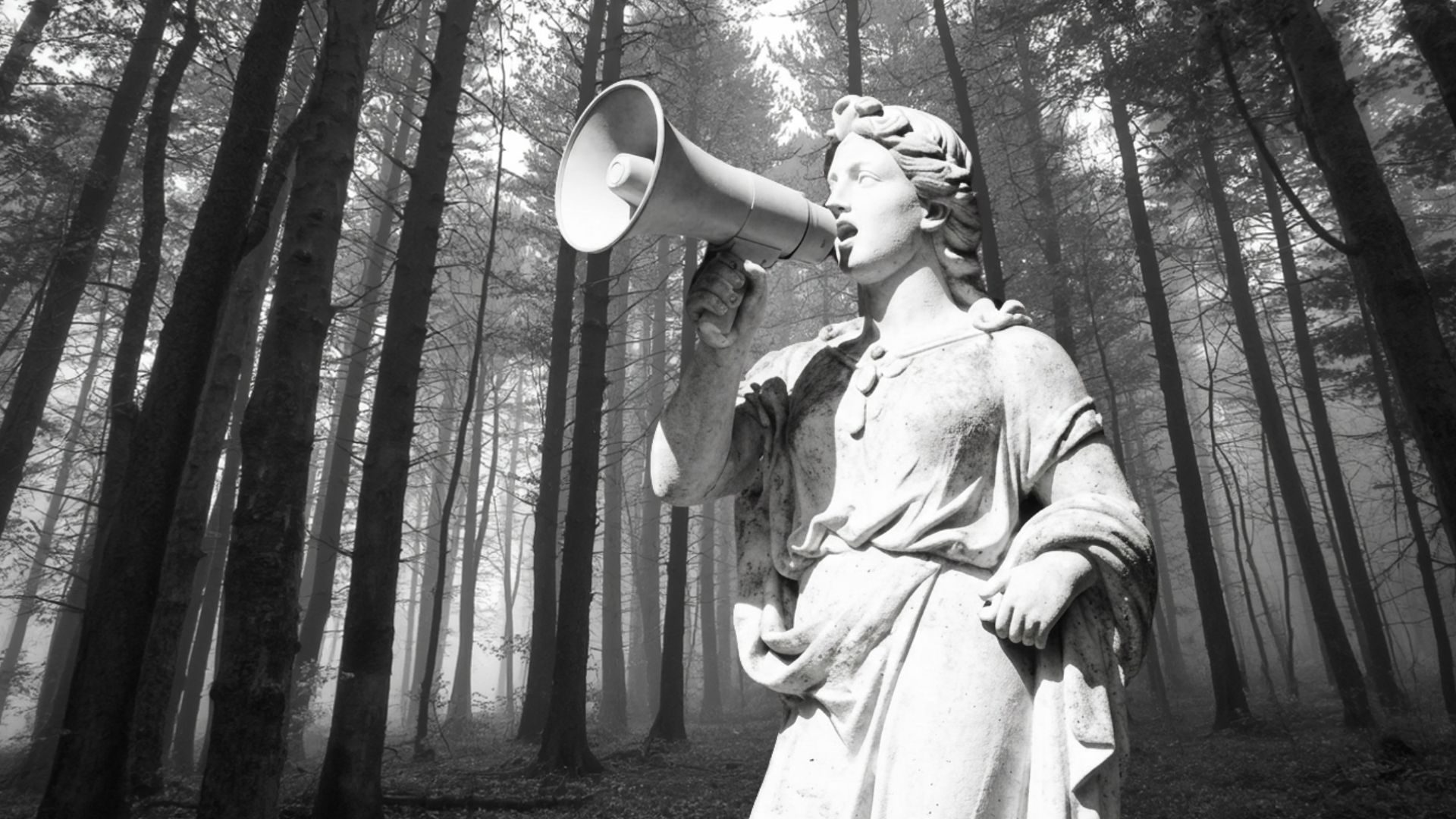
This is where voice becomes decisive. An organisation or a writer that knows how it sounds – which words it uses, which it never uses, what it dares to say and what it leaves unsaid – can use the machine for what it is: a fast first draft waiting to be shaped. A sender without that awareness gets the opposite: text that could have been written by anyone, because in a sense it was. The language model writes the average of everything it has read. The average has no voice.
That is why my experience from advisory work and teaching is unambiguous on one point: working with AI for writing does not begin with the tool. It begins with the question of who is speaking. I have described elsewhere why tone of voice is a strategic decision and not decoration – and that very decision becomes more valuable when the machine can imitate any style on demand. What can be copied effortlessly rarely carries the value. What carries the value is the choice behind it.
The editor as the new lead role
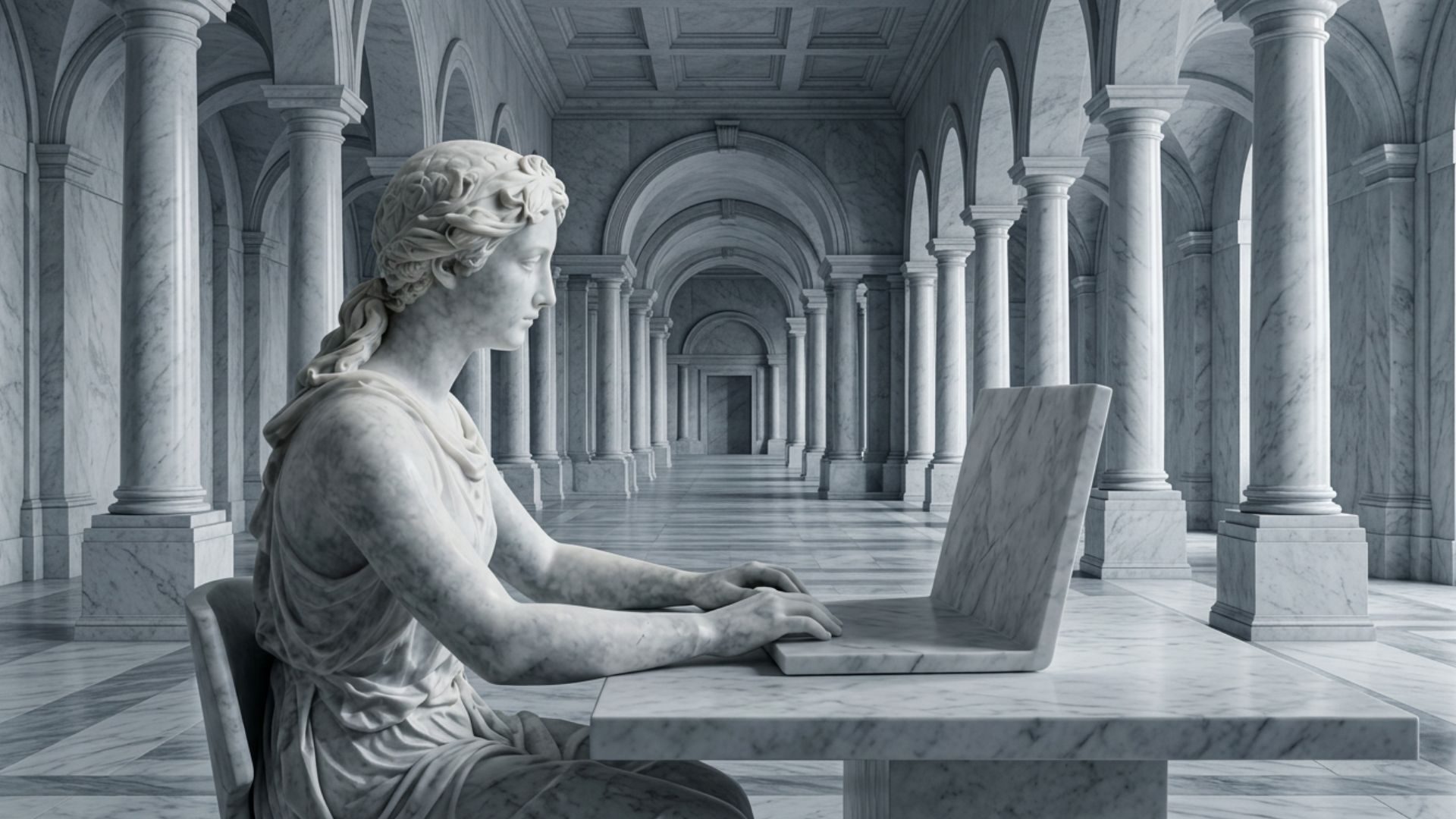
If the machine writes first, what does the human become? The short answer is: an editor. Not in the modest sense of correcting commas in a finished text, but in the full sense: the one who decides what the text is for, judges whether the draft holds, and carries responsibility for what goes out.
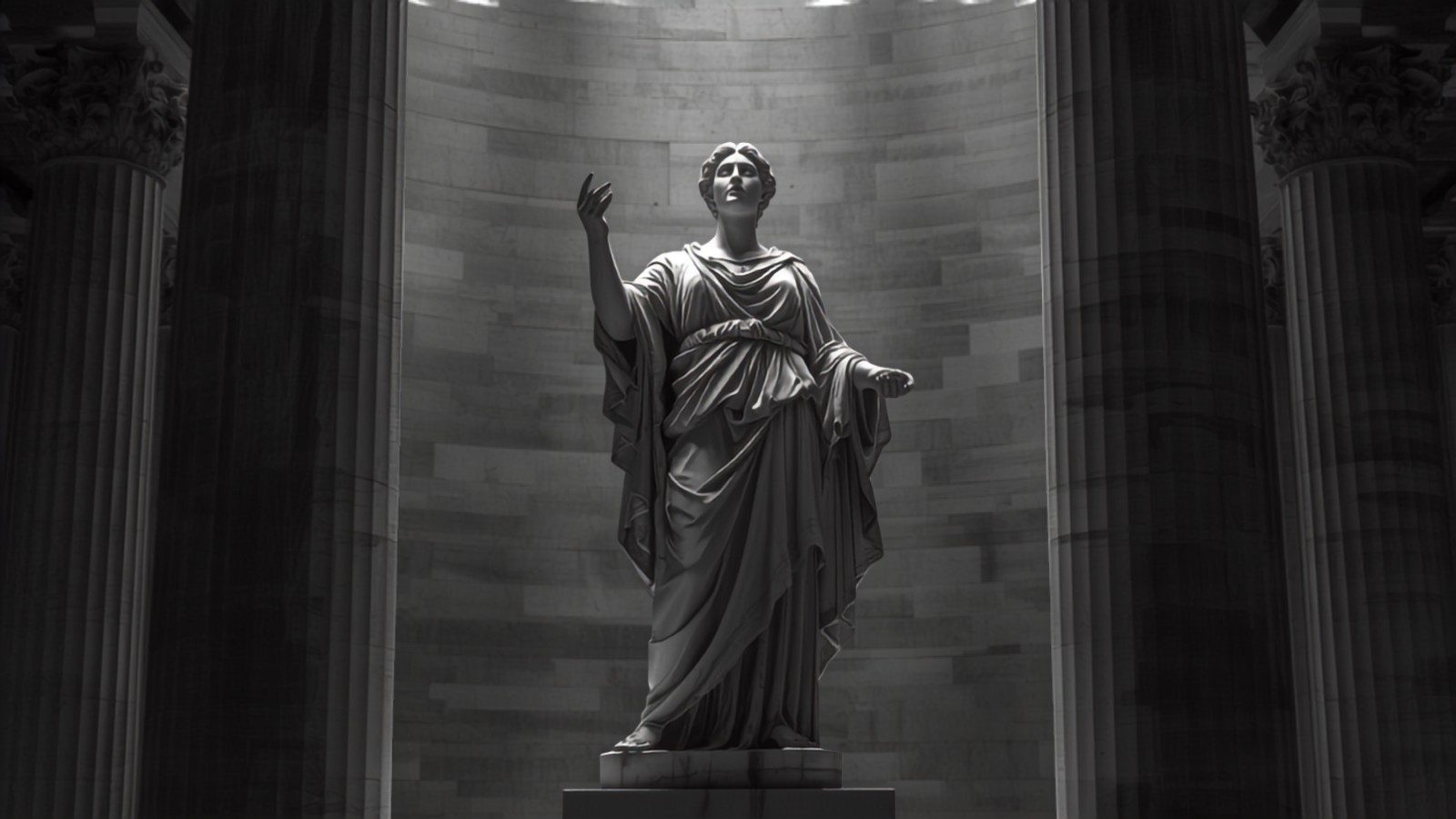
You can delegate the pen and remain the author – but only if you know what you want to say.
The editor's role is demanding in a different way from the writer's. It requires the ability to look at a fluent, well-phrased text and still say: this is not right. This is not us. This does not answer what the reader is actually asking. Fluent language carries an authority that can deceive – a text without errors looks like a text without problems. The editor's most important skill is telling the two apart.
There is a line often attributed to Marshall McLuhan, though it was given its familiar form by his colleague John Culkin: “We shape our tools, and thereafter our tools shape us.” It is worth taking seriously here. If we grow accustomed to approving the machine's first suggestion, the tool shapes us into senders who no longer know what they themselves would have said. If, instead, we insist on the editor's role, we shape a working relationship in which the machine supplies raw material and the human supplies direction.
Accountability follows the name
There is a final element which, in my view, matters most, and it concerns accountability. A text is not merely information; it is an act. It promises something, claims something, commits someone. And acts have owners.
A machine cannot own an act. It cannot be held to account, cannot feel shame over an error and cannot restore a trust it has broken. When an organisation sends out a text – an offer, an apology, a policy – it is still the organisation that has said it. “The model wrote it” will never work as an excuse, for the same reason “my secretary wrote it” never did. Accountability follows the name beneath the text, not the tool behind it.
This is not a limitation of the technology. It is, as I see it, a reminder of what communication is: people committing themselves to people. Technology can make the commitment faster to phrase. It cannot honour it.
Back to the dictation
Milton lost his sight and remained a poet, because what made him a poet did not reside in his eyes or his hand. I believe something similar holds for any sender who lets the machine write first today: you can delegate the pen and remain the author – but only if you know what you want to say, can hear when the draft rings false, and are willing to stand behind the result.
Perhaps this is exactly where the work begins – not with the tool, but with the questions: How do we sound when we sound like ourselves? Which decisions in our writing must never be delegated to a draft? Who is the editor of what we send out – and do they know it?
For organisations that want to work systematically with those questions, I have gathered my programmes on AI for creative work – from voice and method to the editor's role in practice.
Sources
- John Milton: Paradise Lost (1667) – composed by dictation after Milton lost his sight.
- John M. Culkin: »A Schoolman's Guide to Marshall McLuhan«, The Saturday Review (1967) – the origin of »We shape our tools, and thereafter our tools shape us«.